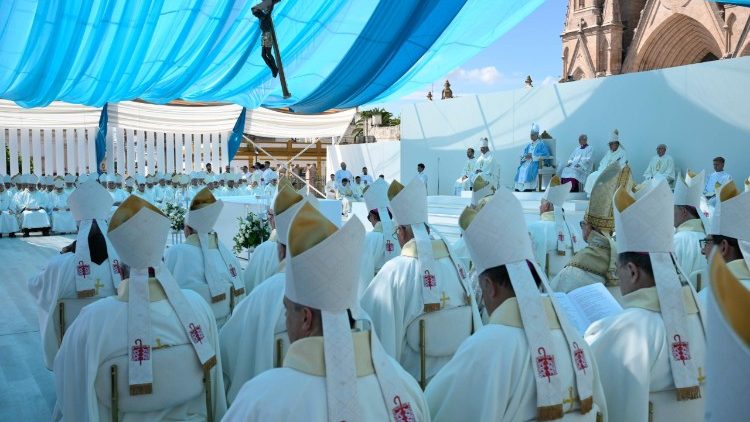
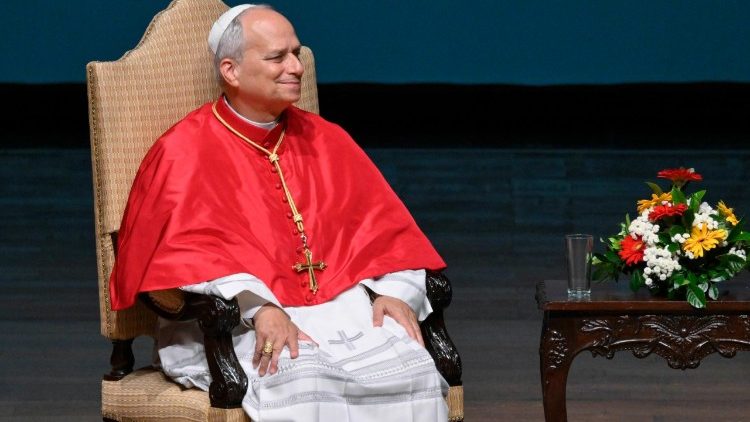
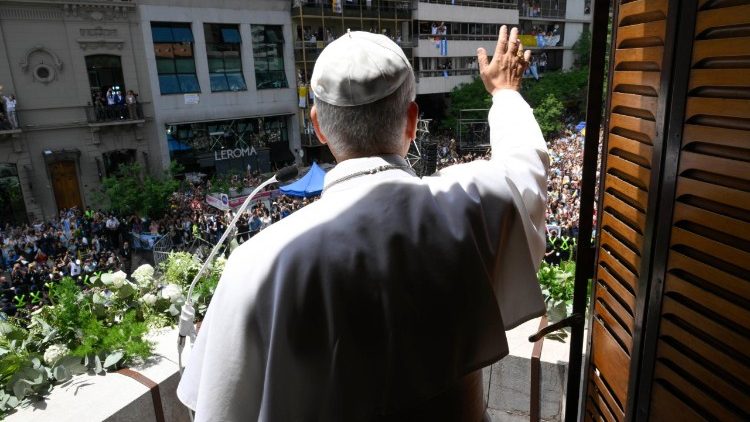
Pope Leo XIV’s journey to Latin America can be seen in many ways, from the flights he took and the distances he covered to the meetings, the events, the Masses he celebrated, and the vast crowds. Any one of these measures can tell only part of the story of what the Pope and the people experienced together.
As hundreds of signs in Uruguay, Argentina, and Peru put it, the Successor of Peter “came home.”
Pope Leo XIV strengthened people in their faith, proclaimed the Gospel, encouraged Christian communities, and pointed to paths of hope. He repeatedly emphasized the central role of the family, the protection of life from conception to natural death, and the commitment to building social justice. He called the Church to mission and witness, and invited young people to go out into the world in the name of Jesus.
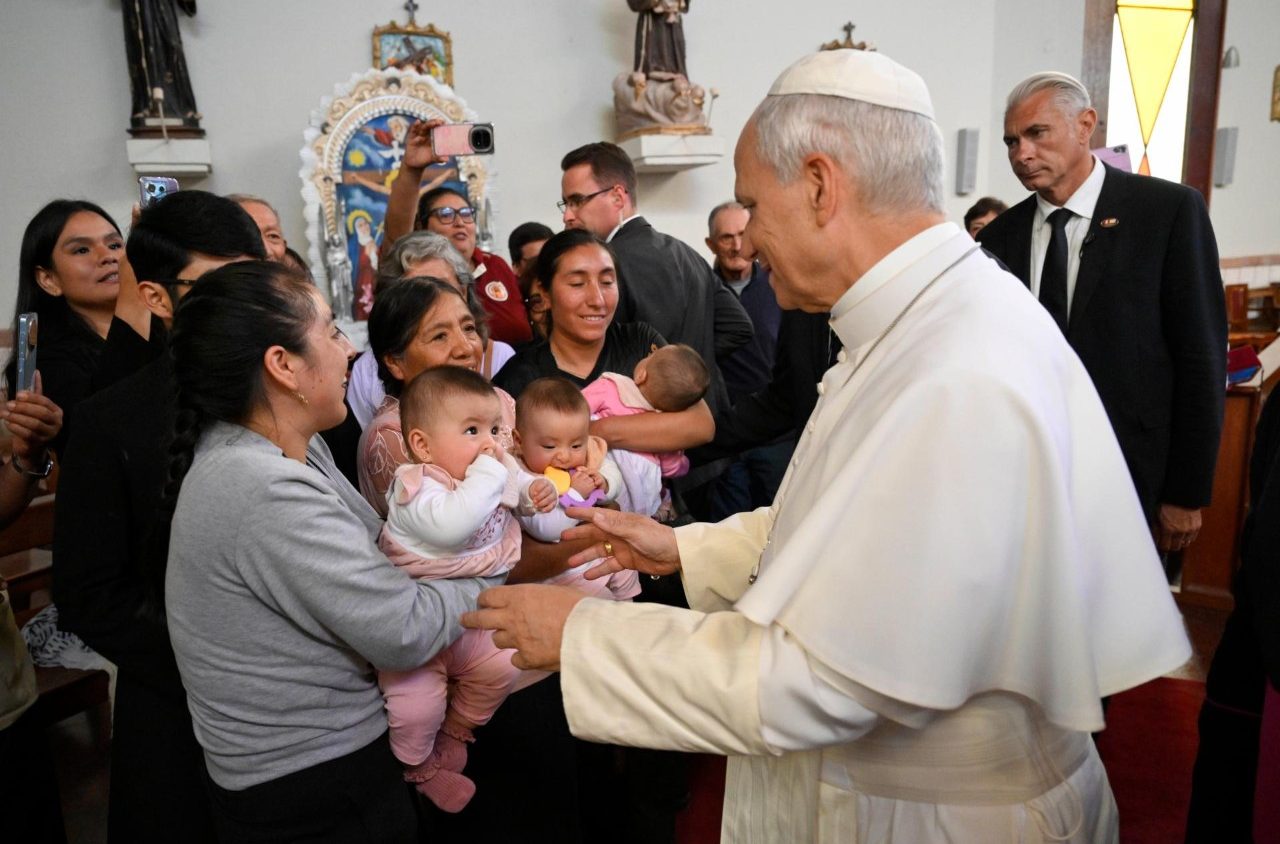
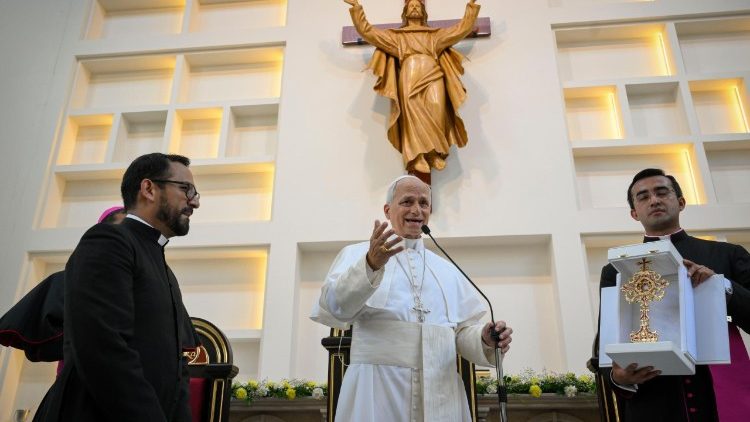
In Chiclayo, where “Father Robert,” as people here call him, served as bishop, the welcome made especially clear how much the people still regard him as a spiritual father.
Time and distance had only strengthened that bond. The reception they gave the Pope showed how deep the ties forged during his years of pastoral ministry run. They welcomed him back as Pope and as a friend in Christ whom they still consider one of their own.
The homecoming tells only part of the story. The embraces, the turnout, and the enthusiasm of the crowds also offered an opportunity to take a clear-eyed look at the lives of the people he visited.
In Uruguay, Argentina, and Peru, Pope Leo XIV encountered different societies facing questions that concern the entire continent: poverty, inequality, secularization, polarization, isolation on the peripheries, and the difficulties young people face.
Beneath these lies a deeper loss of perspective. When we focus on immediate concerns and individual interests, we risk losing the ability to look up and see others and to take responsibility for the earth entrusted to us.
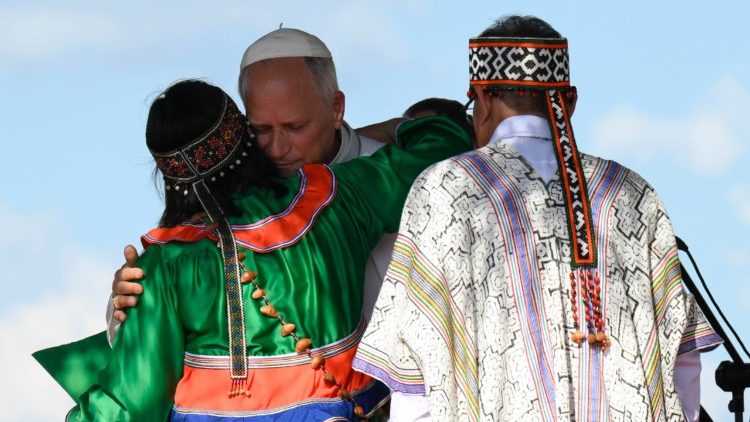
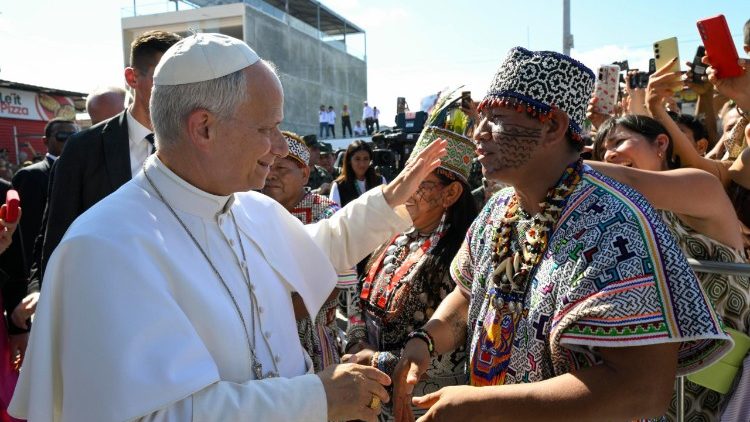
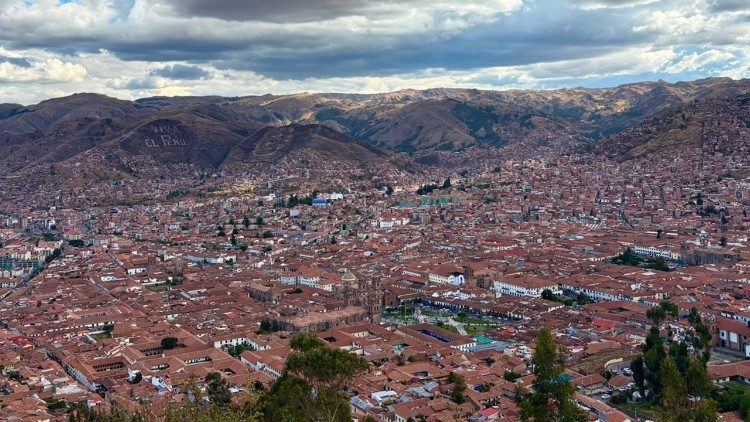
The Pope brought Christ to the people and invited them to follow Him, from the heights of Cusco to the Amazon in Pucallpa.
He called for a conversion that kindles love for our brothers and sisters, awakens a sense of responsibility, and strengthens our commitment to the common good. He called for a Church that stands alongside people, stays in touch with their everyday lives, recognizes its own wounds, and has the courage to ask for forgiveness. He reminded people that faith must go beyond a declaration of principle and take shape in closeness, solidarity, justice, and care for those who risk being forgotten.
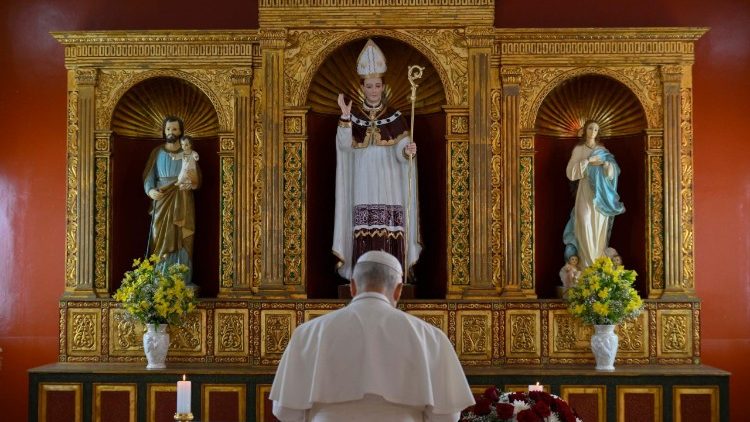
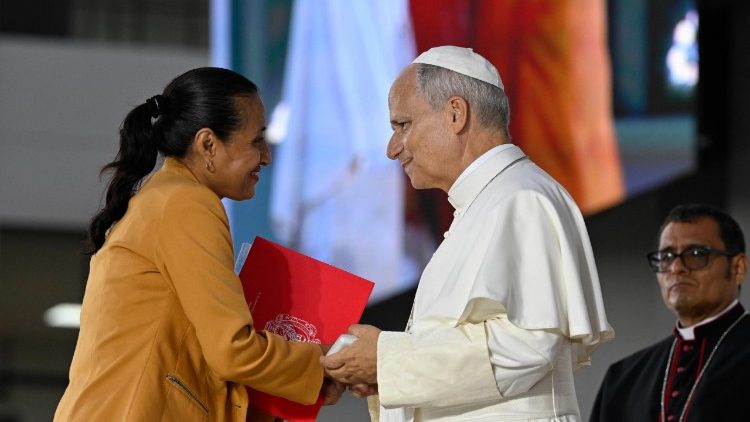
The Pope was also a pilgrim who listened, met people, shared with them, and prayed. In the spirit of synodality, he walked with the local Churches and let himself be touched by the stories, testimony, and faith of the people he met. As he recalled, mission always involves giving and receiving.
Pope Leo XIV returns to the Vatican with many faces and stories in his memory and many gifts treasured in his heart. The encounters of these days will continue to accompany him in his ministry long after the journey has ended.
In this mutual giving, we recognize something at the heart of the Church’s mission: to walk together, to recognize one another as brothers and sisters, and to discover that we receive the Gospel we bring through the people we meet.